Register
Login

The Environmental Impact of Same-Day Delivery: How Modern Logistics Is Going Green

Modern Logistics Is Going Green

The rapid rise of e-commerce has transformed consumer expectations. Today, speed is a core requirement, with buyers expecting orders delivered within hours. However, this demand for instant fulfillment raises an important question: How can retailers offer ultra-fast delivery without damaging the environment?

Traditionally, fast shipping meant less consolidated vehicle loads, higher carbon emissions, and increased urban traffic. Fortunately, modern logistics providers are leveraging smart technology, route optimization, and eco-friendly fleets to make high-speed delivery cleaner and more sustainable than ever before.

1. Smart Route Optimization to Reduce Idle Time

One of the largest sources of emissions in last-mile delivery is inefficient routing. Vehicles idling in traffic or driving redundant miles waste fuel and increase atmospheric carbon. Advanced route planning software calculates optimal delivery sequences in real time, cutting vehicle emissions while ensuring punctual arrivals.

2. Transitioning to Electric and Low-Emission Fleets

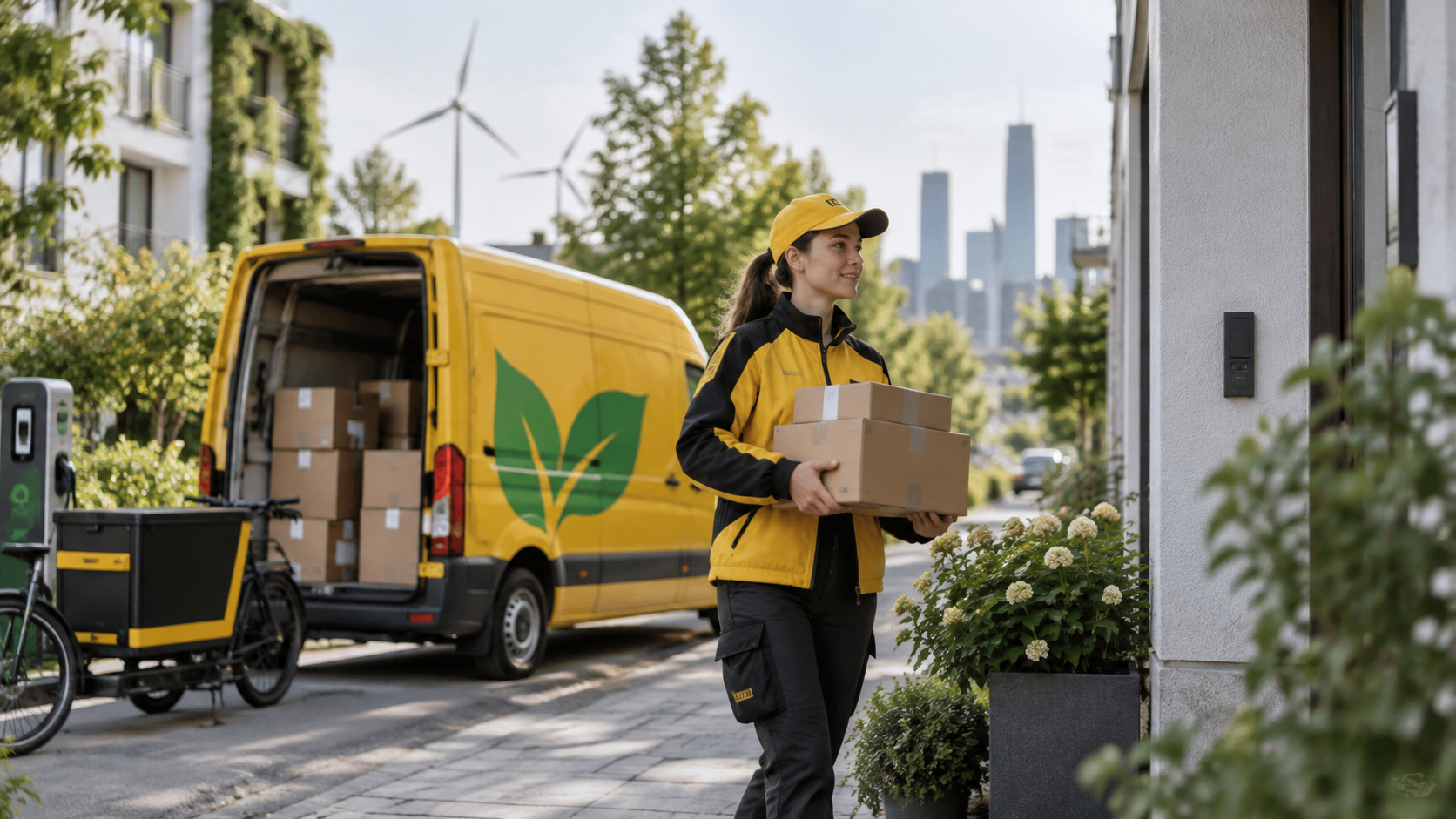
Leading courier networks are actively integrating electric vehicles (EVs), cargo bikes, and hybrid vans into urban delivery centers. For dense metropolitan areas, zero-emission vehicles perform point-to-point drop-offs without generating tailpipe emissions or urban noise pollution.

3. Micro-Fulfillment Hubs and Urban Consolidation

By positioning inventory in small, strategically located urban fulfillment centers, products are stored closer to final destinations. Shortening the travel distance between the warehouse and the customer naturally decreases fuel consumption per package.

4. Reducing Packaging Waste

Excessive cardboard, oversized boxes, and plastic wrap contribute significantly to delivery-related environmental impact. Eco-conscious courier strategies prioritize right-sized packaging and reusable tote systems for direct B2B transfers, dramatically reducing landfill waste.

5. Combining Urgent Speed with Green Logistics

Urgent shipments don't have to compromise sustainability goals. When utilizing services like scheduled Same Day Delivery or emergency Rush Courier dispatches, point-to-point routing avoids circuitous national sorting networks, often resulting in shorter overall transit miles compared to standard cross-country air freight.

Key Eco-Takeaway for Retailers: Consumers care deeply about corporate sustainability. Partnering with a logistics provider focused on emissions reduction allows brands to offer instant gratification without sacrificing ESG commitments.

Build a Cleaner, Faster Supply Chain with DAGO Express

At DAGO Express, we believe speed and sustainability go hand in hand. Our efficient point-to-point dispatch network minimizes unnecessary mileage and optimizes every route.

Discover how our Same Day Delivery services and on-demand Rush Courier solutions can help your business deliver faster while keeping carbon footprints low.

Frequently Asked Questions

Q: Is same-day delivery worse for the environment than standard shipping?

A: Not necessarily. While unoptimized fast shipping can increase emissions, local same-day delivery utilizing micro-fulfillment hubs and direct routing often uses fewer transit miles than long-distance air or regional freight.

Q: How do electric vehicles improve last-mile delivery?

A: Electric delivery vehicles produce zero direct tailpipe emissions, significantly reduce urban air pollution, and operate quieter in residential neighborhoods during early or late delivery hours.

Q: How can businesses lower the environmental impact of their delivery operations?

A: Businesses can optimize order consolidation, adopt eco-friendly packaging, use local urban fulfillment centers, and partner with green courier providers.

chevron-rightarrow-right