Register
Login

What Is Hot Shot Trucking? When to Use It Instead of LTL Freight

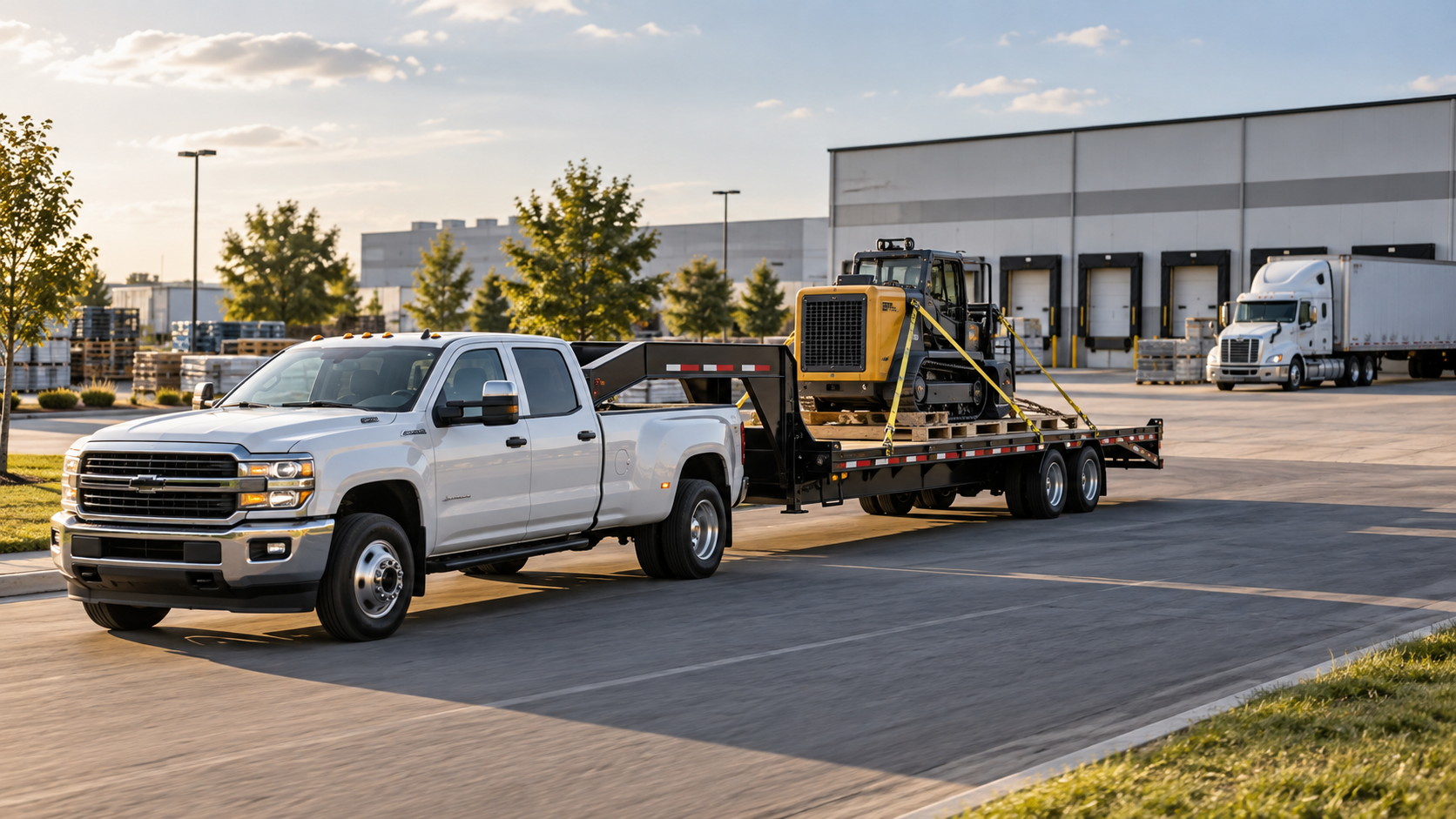
Medium-duty pickup truck hauling secured industrial freight on a gooseneck flatbed trailer for an urgent delivery

Hot shot trucking typically means moving an urgent, comparatively small freight load on a vehicle assigned to that shipment. In common US usage, it may involve a pickup and trailer, but the label alone tells you little about actual capacity, equipment, insurance or the delivery commitment. Ask for the proposed vehicle and route, not merely a “hot shot” quote.

How it differs from LTL

Less-than-truckload (LTL) freight combines shipments from several customers. Freight may pass through terminals and be handled more than once. This is often cost-effective when the delivery window is flexible. A hot shot or other direct vehicle is assigned to your shipment and can take a more direct route, with fewer planned handoffs. It is not automatically the fastest option on every lane: driver availability, distance, loading access and legal driving limits still matter.

For the shared-network basics, see our palletized freight and LTL guide. If a direct vehicle is more appropriate, explore hot shot express delivery and dedicated delivery.

When a direct load is worth considering

Imagine a replacement component that must reach a plant before a planned maintenance restart. The item may fit on one pallet, yet a terminal transfer and uncertain final appointment could be more consequential than the transport rate. Direct service can also suit fragile equipment, trade-show material or a shipment whose receiver needs a precise delivery arrangement. Do not assume every shipment requires hot shot trucking simply because it is urgent; a local courier or cargo van may be a better fit for smaller goods.

What to give the provider

  • Packaged length, width, height, gross weight and number of handling units.
  • Pickup and delivery ZIP codes, contact names, operating hours and latest acceptable arrival.
  • Dock, forklift, liftgate or ground-level loading requirements at both ends.
  • Commodity description, value, packaging photos and any special handling or documentation needs.
  • Whether the load may share space, and what proof of delivery is required.

Ask whether the quote includes waiting, tolls, after-hours pickup, unloading and a specific delivery window. Confirm how the load will be secured and which vehicle will be used. “Hot shot” is a useful search term; a documented transport plan is what protects the deadline.

Frequently asked question

Is hot shot trucking only for pickups with trailers? No. Usage varies by provider and region. Shippers should compare the actual direct-service proposal, vehicle capacity and handling plan instead of relying on a vehicle label.

chevron-rightarrow-right